Showing posts with label forest. Show all posts

Wednesday, October 8, 2014

Walk at Fort Totten

Sunday morning early we got up and drank our coffee and donned our warm clothes to go for a nature walk in local National Park Fort Totten a Washington DC, Civil War era ring dirt fortress that is now mostly forest. We had planned to meet a tour that a local geologist and botanist were leading but I got the meeting place wrong in my head somehow thinking we were suppose to meet at the Metro station... We never did find them but we couldn't help enjoying the woods on our own while looking around on trails we hadn't explored hoping to run into them. We both took our cameras and just hiked the length of the park and down over the hill towards the rail road tracks. Exploring and enjoying the trees and sunshine.

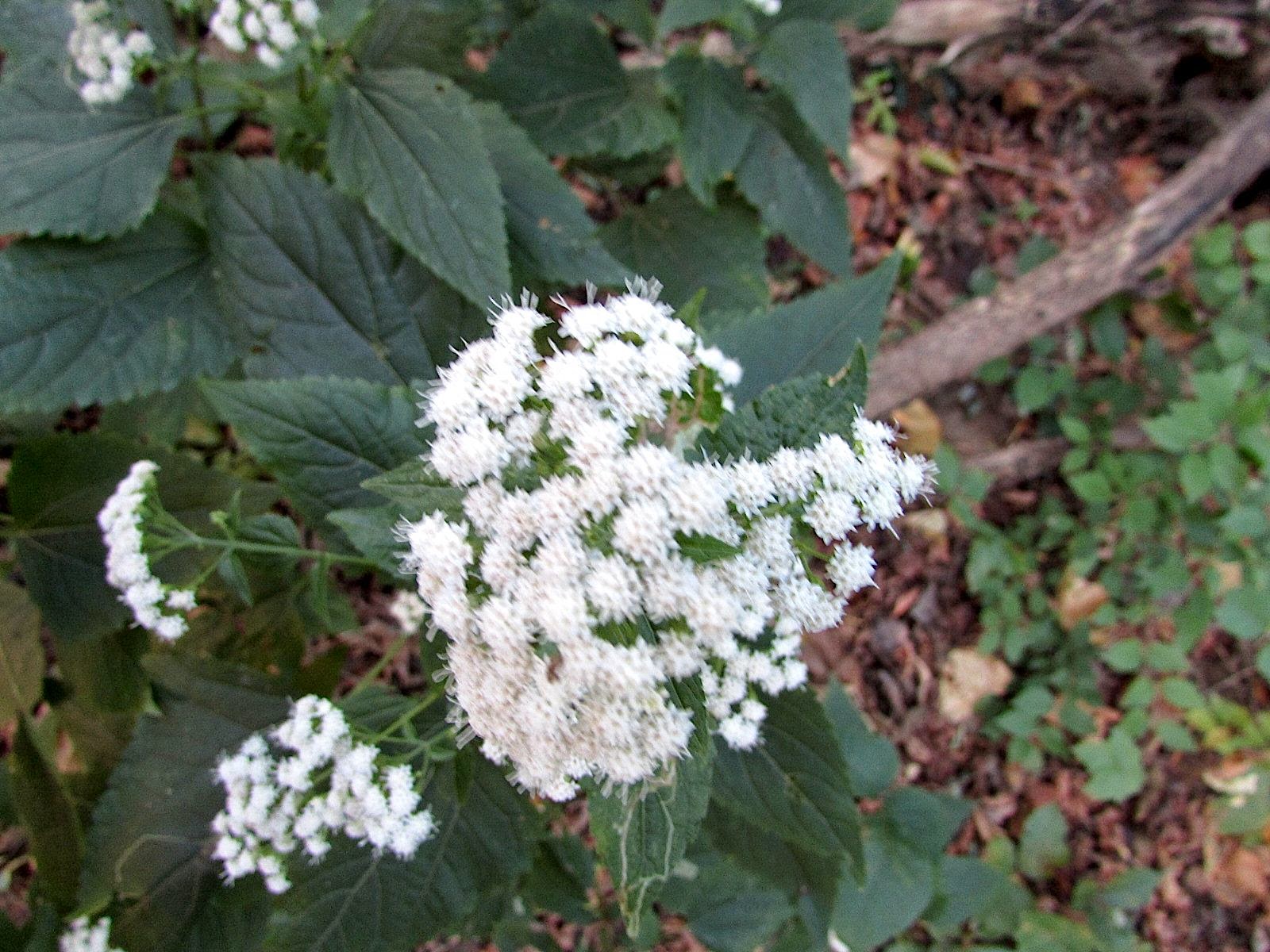
 When we walked up the hill from the metro station to the edge of Ft. Totten road and the beginning of the long strip of woods that makes up the park we found a first trail into the woods edged with white flowers I believe are snake root. They are showy and are available in nursery for home gardens. The wind was blowing the around so this close up shot is blurry because they were waving in the breeze as my camera shutter snapped.
Once we got into the woods we saw these tall single stalked goldenrods blooming in the dry sandy soil along the edges of the trail. It was mostly distributed near where the forest edge opened to the fields of the park grounds. 


One of them had a big bumble bee sitting on having a nectar meal and maybe collecting some of that nice yellow pollen. Also in these trail pictures notice those stones that cover the way. They are gray and white river stones deposited eons ago on top of this high hill in NE Washington DC. 


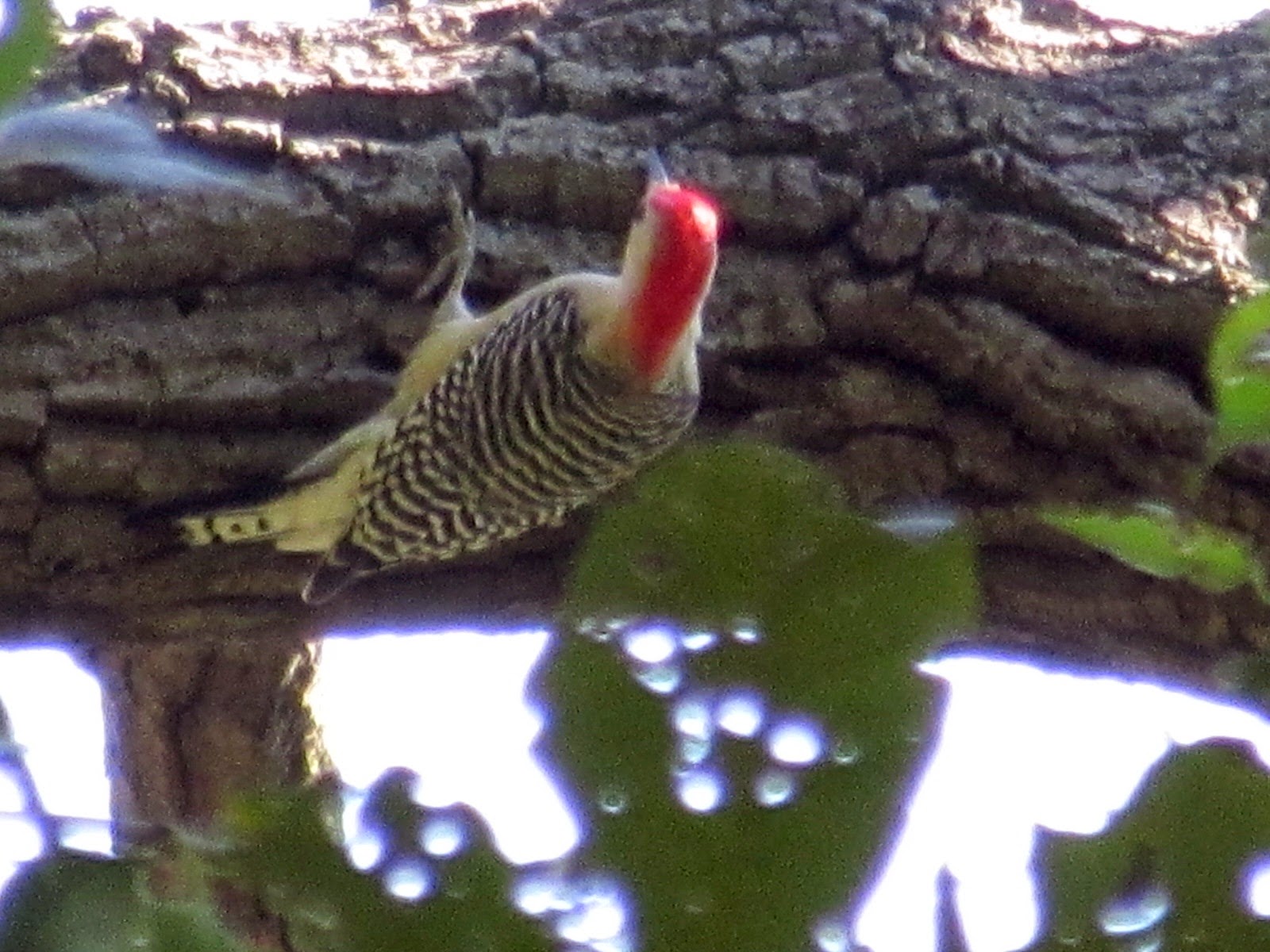
High overhead we heard and saw the red napped woodpecker calling and drilling for food in the dead tree branches. I used the zoom to capture a record of our sighting at the fort park. A matching woodpecker was on the tree next to my window at home one morning recently and here is a closer look. Same bird right?

 We made our way to a new area we hadn't explored down the hill as it turns out not the best area to walk since we are allergic to the native poison ivy and we saw a lot of it mixed in the edges of the trail plants with invasive English ivy. The trees in the park are huge and very tall so much that it hurt my neck to look up at them hunting for leaves to identify them. There were areas where the forest floor was covered with little seedlings of oak seedlings.


This shot is looking back up the hill we descended on our walk from the top to the bottom across behind the transfer station.


This is the large leaf magnolia we later learned is an American tree that has moved north in recent years finding homes in new forests delivered by bird carrying seeds to the new warmer climate here. 

At the bottom of the hill were a lot of toppled trees long gone towards bare wood and ready for decaying to take them back to the earth. A squirrel was scampering over them as we walked by and posed for a portrait briefly. 

Finally on top of the hill again we notice this interesting lichen growing on the leaf littered floor it was a brightly colored series of browns and yellow gold surrounded by new growth that looks like Japanese "invasive" honey suckle vine and blue and huckle berry.

Sunday, September 28, 2014

Sunday at the Arboretum


 For a walk today on this beautiful Sunday we took a picnic and walked the woods and meadows of US National Arboretum. We parked in the lot by the collection of State's trees and headed down an abandon roadway into a meadow at the edge of a wood and soon up the hill into the forest.


 Spotted off in the woods an orange lichen growing like a big flower on the forest floor and the soft green mosses were smooth and velvety. Sassafras one of our favorites to identify as kids, due to the odd shape leaves and the bright red orange color that comes early in late summer known also for digging the roots to make a tea. Then near that was a dogwood turning red too.


Snake root flowers white at the edge of the forest floor 


 Red viburnum berries were spectacularly red and the leaves had great visual texture.
White wood asters were plentiful and blooming
 The pretty dark green leaves of spotted wintergreen or dragon's tongue were going to seed in a bed of fern like moss. 
We make our way to the visitors center to sit down and enjoy our picnic sandwiches and cold ice water and a break at the necessary room. From there we headed out to the formal knot garden and sniffed a few leaves of scented sages and geraniums. Admired the orange rose hips and then on to the view of the big meadow with the Capitol columns 


Children have lots of room to run and play here safely as you can see these three toddlers were making the most of the open space. parents were nearby under a big shade tree on a blanket relaxing with their picnic baskets. 


The sun was warm but not too hot and the air was too. It was a lovely two hour visit and I look forward to seeing the leaves on all those great trees turn in the coming weekends of autumn.

Monday, September 15, 2014

Walking in National Arboretum's fern valley

Last week we took a afternoon walk in the U.S. National Arboretum's native woodland trails called Fern Valley. It's like a trip to the wilderness with some very nice benches and bridges and huge old trees. The floor of the valley that has a stream running through it has all kinds of plants and wild flowers. I wasn't expecting to see so many this time of year so it was a nice surprise to discover that flowers bloom in the woods even with a full canopy of leaves over head. I took the camera to capture some of the scenes and focused on flowers and small plants and the creepy orange black bug that lives on milkweed seed juice!


 Bright red cardinal flower were hiding way off in the understory but my zoom helped me capture them for the first among many colorful surprises.

 One I hadn't ever seen or heard of but fortunately we saw a sign describing this unique plant name. Doll's eye plant or white baneberry, Actaea pachypoda is the latin name and it seems it has a white flower and is related to buttercups and is recommended by growers for gardens but endangered in the wild.

 The tall green headed coneflowers were reaching out from the edge of the woods towards the sunny sky.

Jack-in-the-pulpit seed clusters bright red color was easy to find. 

 Orange flowering jewelweed was abundant along the damp creek edge and humming birds were visiting but too quick and shy for my camera to capture.


 On the common milkweed seed pods at the edge of the parking area we found a cluster of milkweed bugs who live on the seeds by burrowing a hole into the pod and sucking the juice out of the seeds. The bright orange color is a warning to predators that they are poison to the creatures who might try to eat them because they carry the milkweed's toxic chemicals in their systems. They evolved together the bug and the plant.
 I don't know this plant's name but it's bright green flowers or buds for flowers and the leaves catching a blue reflection from the sky above were very pretty along the woodland path's edge. Nettle called clear-weed perhaps? Not sure if that is what this one was but it fits most of the description in my wildflower field guide. I got a second opinion and we both think it's Clearweed described on Wiki if you want to know more.


 Beautiful obedient plant flowers are sturdy and seen in lots of gardens blooming and feeding bees this time of year. It was in a sunny spot at the edge of the trail.


Finally the tall sunflowers were over seven feet I had to look up at them when standing next to them a few flowers were blooming at the bottom near the ground so that gave ma a chance to get the first image very golden in color. US National Arboretum is a great place to visit Friday's through Monday 8:00-5:00 but closed due to sequestration budget cuts by the Congress it's no longer open Tuesday Wednesday nor Thursday.